Sleep 101: What actually happens to me when I sleep?
“In peace I will both lie down and sleep; for you alone, O Lord, make me dwell in safety.” — Psalm 4:8
Ever woken up feeling like you just closed your eyes — or jumped out of bed after a night of deep, restful sleep? The difference is more than how you feel in the moment.
According to Dr. Matthew Walker, Scientific Advisor of the Sleep Foundation, “Sleep is the SINGLE MOST EFFECTIVE thing you can do to reset the health of your brain and body.” Beyond fighting fatigue, quality sleep reduces the risk of obesity, heart disease, high blood pressure, diabetes and stroke — and helps you get sick less often, make better decisions and get along with others more easily.
Sleep is also closely tied to mental and emotional health, with links to depression, anxiety and bipolar disorder. Getting enough of it reduces stress, lifts mood, and sharpens thinking at work and in daily life.
Quality vs. Quantity: Is your sleep restorative?
While seven hours per night is the general recommendation for adults, quantity alone isn't enough — quality matters too. A full night of restorative sleep involves several cycles of distinct stages, each serving a purpose for the body, brain and spirit.
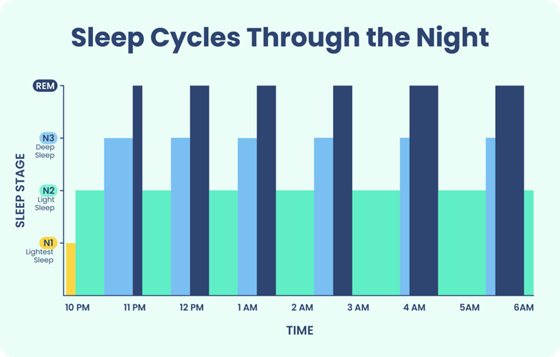
N1 | Light Sleep Drifting off Your body begins to relax Brain and body activity starts to slow Easily awakened at this stage | N2 | Light Sleep Settling in Brain and body activity continues to slow Heart rate and temperature drop Eyes stop moving | N3 | Deep sleep Rest and restore Brain activity surges Most vivid dreaming occurs Essential for memory, learning and creativity Increases as the night progresses | REM | Dream Sleep Mind at work Brain activity surges Most vivid dreaming occurs Essential for memory, learning and creativity Increases as the night progresses |
Cycling through all four stages is essential. Disruptions — from sleep apnea, insomnia or frequent waking — can prevent your brain and body from getting the deep and REM sleep they need. Talk to your doctor if you're struggling to get restorative sleep.