Wellness Champion Center

Wellness Champions play a crucial role in engaging our community to lead healthier lifestyles so that we can better serve. Each month, Wellness Champions are given a goal and resources to achieve that goal with their co-workers.

Monthly themes:

  • January – Kickstart Your Year of Wellness
  • February – Matters of the Heart
  • March – You Are What You Eat
  • April – Spring Your Fitness Forward
  • May – Mental Health/Women’s Health
  • June – Men’s Health/Dental Health
  • July – Hydration
  • August – Renewed Wellness Focus
  • September – Healthy Aging
  • October – Breast Cancer Awareness/ Boost Your Immune System
  • November – Gratitude
  • December – Tis the Season … to Be Healthy and Well!
Ready for a Wellness Champion?

If your workplace does not have a wellness champion, select one today. Our recommendation is a maximum of one Wellness Champion per 25 workers.

Sign Up Today


Wellness Champion 101


Vitality 101

Vitality Active Rewards + Apple Watch


Wellness Champion News

Filling our cup: Nourishing the body God gave us
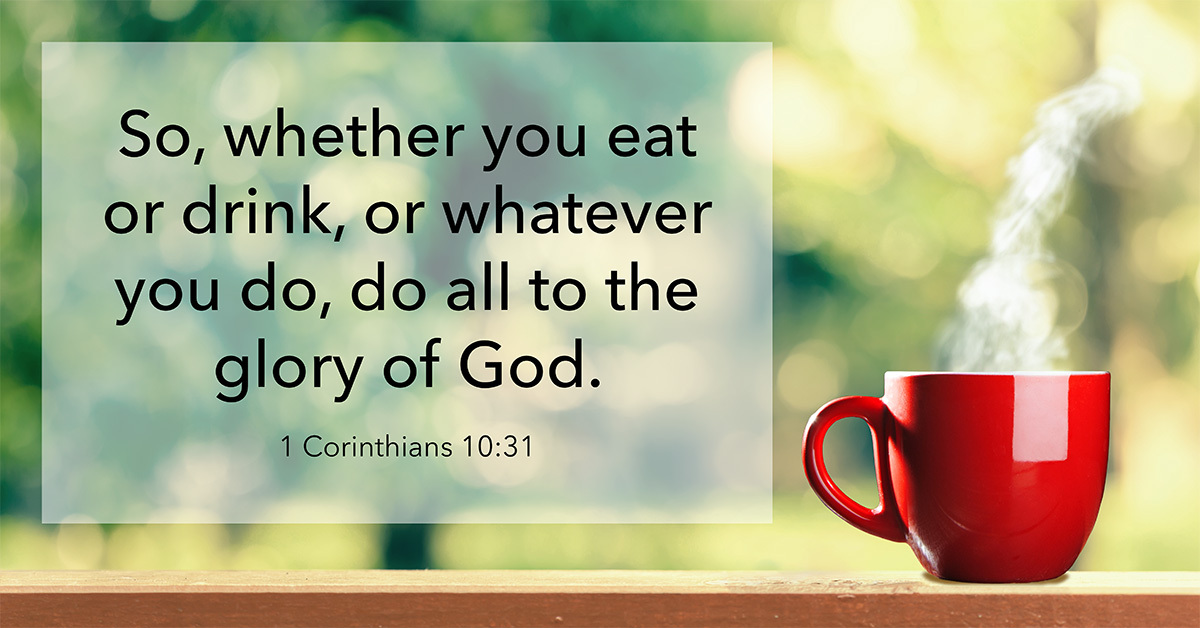
by Wellness Champions, Concordia Plans
Coffee Cup with Subtitled Text

Caring for our bodies is one way we honor the life God has given us — an act of stewardship that helps us better serve others.

Yet many of us are running on empty. As Dr. John Neustadt, author of “Fracture Proof Your Bones” points out that most Americans are “overfed and malnourished,” consuming plenty of calories but not enough nourishment. Many adults eat fewer than one serving of fruit or vegetables a day, relying instead on sugary, processed foods that leave our bodies — and bones — depleted. 

This kind of imbalance doesn’t just affect our energy levels; it contributes to chronic inflammation and long-term conditions that are often preventable. When we choose to nourish our bodies well, we’re not just filling our plates — we’re “filling our cup,” caring for the whole person God created.

Eating a diet rich in fruits, vegetables, whole grains, nuts, legumes and lean proteins is linked to higher bone mineral density and a reduced risk of fractures. Studies show that following this eating pattern can lower hip fracture risk by at least 20% in postmenopausal women. Healthy fats from sources like olive oil, nuts, seeds and fish support brain function, mood, hormone production and immunity. Establishing a healthy lifestyle that incorporates such a balanced diet also lowers the risk of heart disease, dementia, stroke, diabetes, obesity and cancer, while boosting energy, enhancing mood and promoting overall well-being.

Because of these stark differences between what we need and what we tend to eat, the “Dietary Guidelines for Americans” (2025–2030 edition) stresses to eat real food, providing direct consumer guidance on intake for all ages, life stages, budgets and cultural preferences.

Check out the updated guidelines. To get started, choose one area below to focus on for improvement.

Healthy eating reminders
  • Vary protein.
  • Limit added sugar (no more than 10% of daily calories; one item should not have more than 5g).
  • Choose whole fruits over juice.
  • Make more of your plate dark green vegetables.
  • Moderate alcohol intake (1 drink/day for women; 2 drinks/day for men).
  • Limit highly processed foods, especially those with artificial colors, flavors, and sweeteners.
  • Make at least ½ of your grains whole (whole wheat, oats, etc.).